Details & Objectives
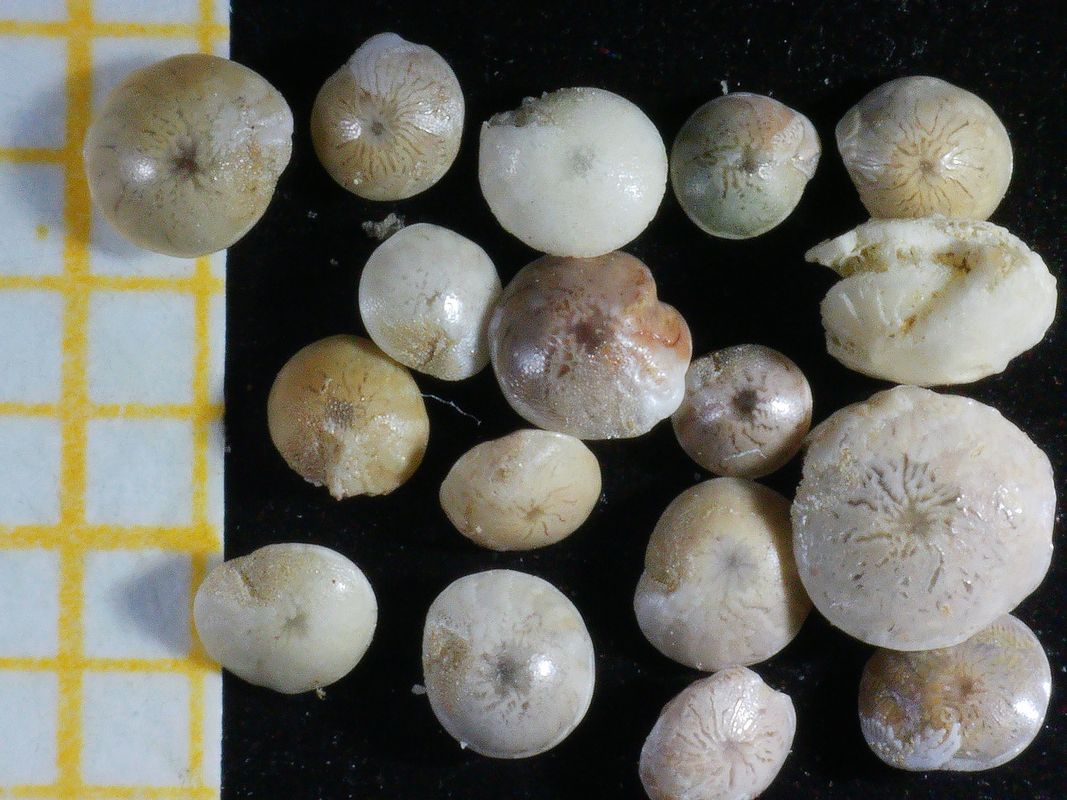
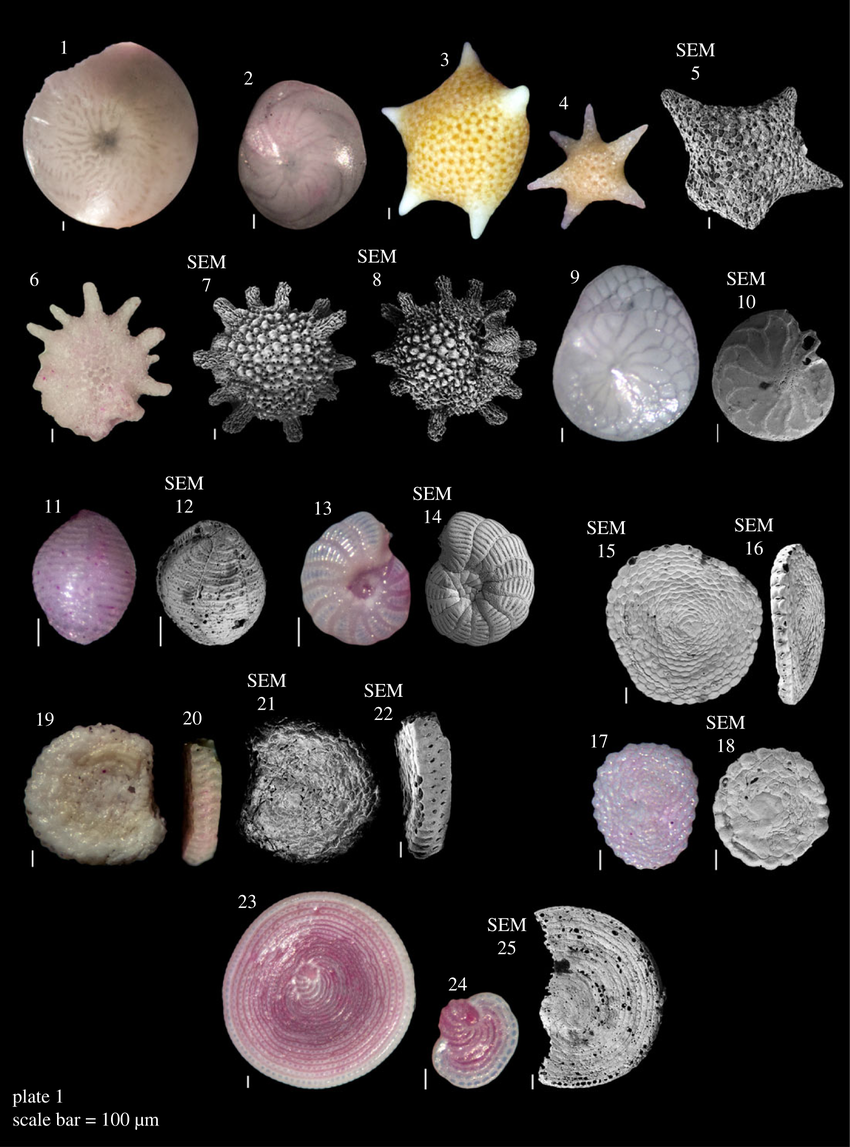
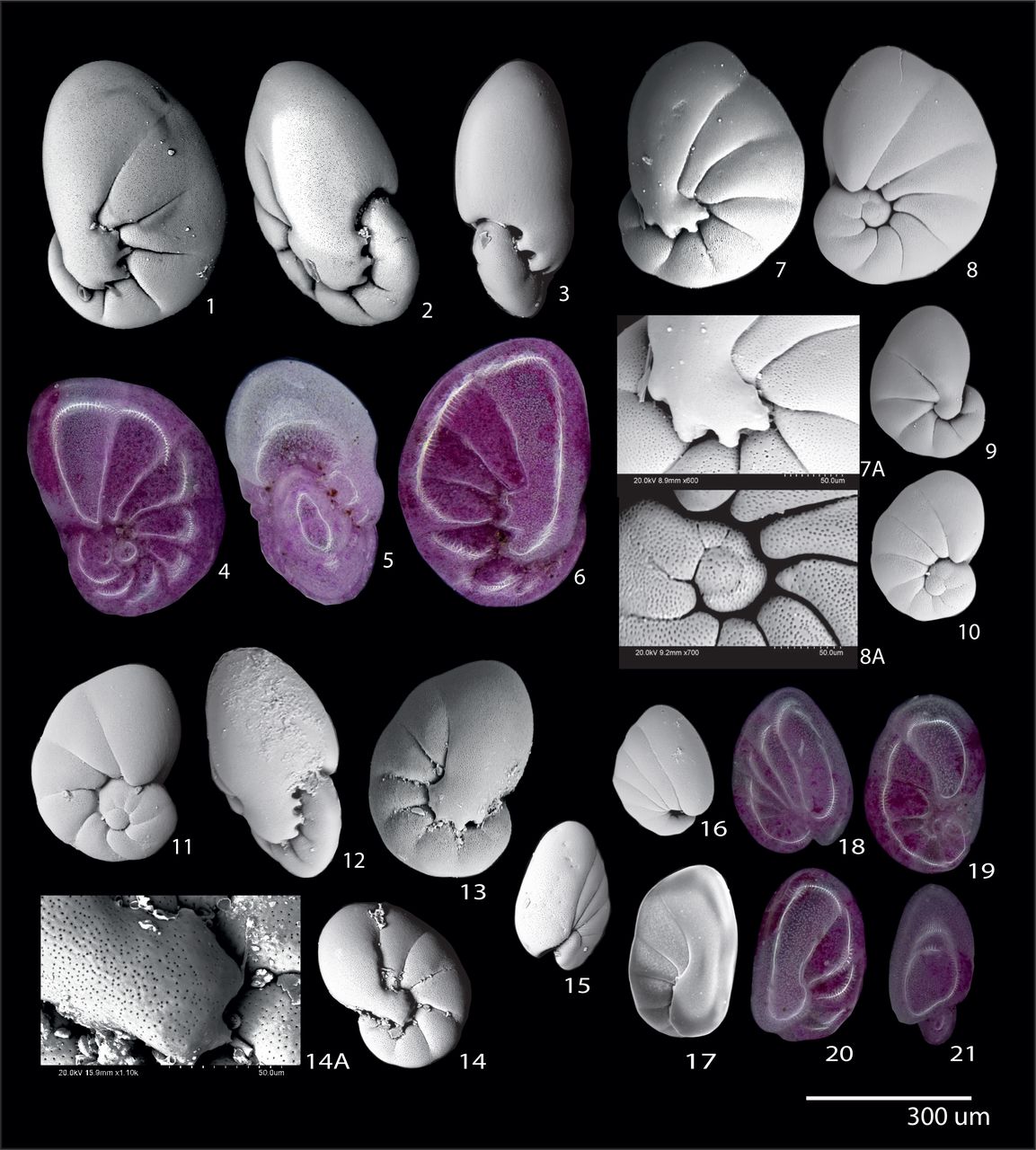
The introduction of non-native benthic foraminifera represents a major ecological issue in coastal ecosystems subjected to anthropogenic pressures and climate change. Transported notably through ballast water or introduced through Lessepsian migration, tropical species such as Amphistegina lobifera, Pararotalia calcariformata, and Nonionella stella have progressively colonized the eastern Mediterranean, favored by increasing sea-surface temperatures.
These species exhibit substantial ecological plasticity and can tolerate stressful environmental conditions, including high temperatures, hypoxia, pollution, and turbidity, thereby facilitating their expansion into areas previously occupied by native species.
Their proliferation can alter the structure of benthic communities, biogeochemical processes such as bioturbation, carbonate production, and carbon sequestration, as well as sedimentary habitats, potentially affecting functional biodiversity.
Furthermore, the presence of non-native species, particularly Amphistegina lessoni and A. lobifera, in sedimentary archives provides a valuable bioindicator of episodes of sea-surface warming during the Quaternary.