Details & Objectives
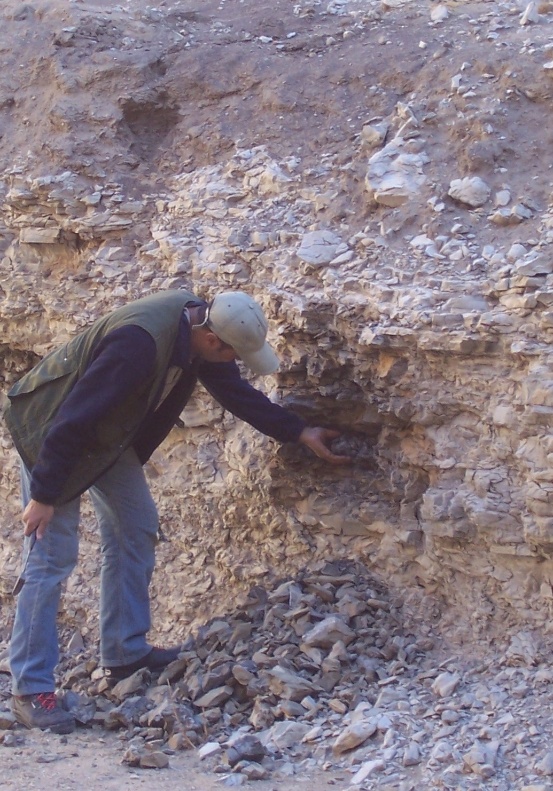
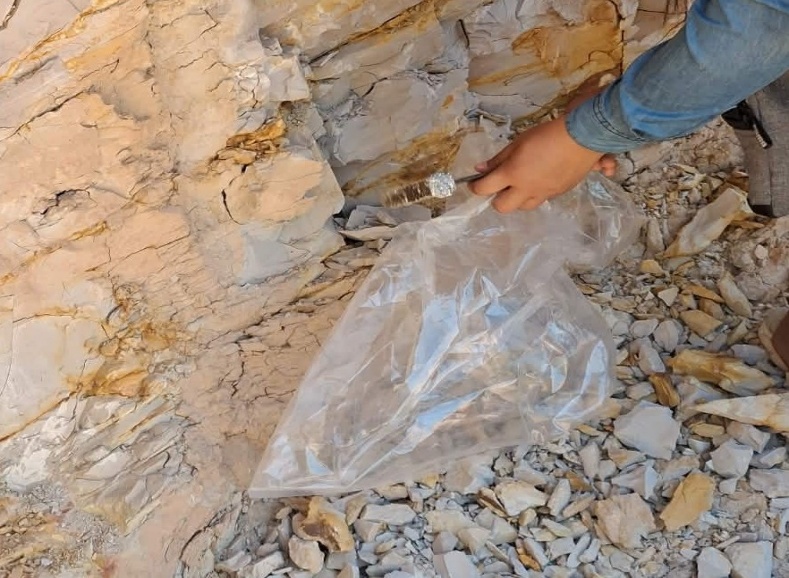
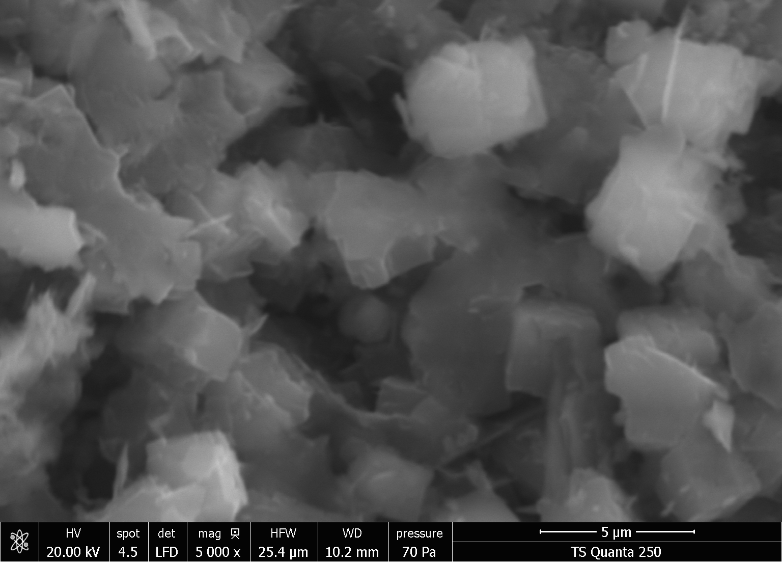
In Tunisia, non-detrital siliceous rocks are more or less affected by diagenesis, giving them fairly significant porosity. This property gives these geomaterials various applications, particularly the filtration of crude sulfur and wastewater. In the Gafsa-Metlaoui basin, porcelanites, of biogenic origin, are essentially composed of opal-CT associated with carbonates, phosphates, and phyllosilicates. The cherts of the Numidian (far northern Tunisia), however, are essentially composed of quartz associated with illite and kaolinite. This research area focuses on the exploration and valorization of non-detrital siliceous rocks, particularly porcelanites and cherts, whose mineralogical properties and porosity make them geomaterials with strong potential. In Tunisia, these rocks have already demonstrated their effectiveness in the filtration of crude sulfur, wastewater treatment, and the manufacture of geopolymers. Future work aims to extend their applications to the synthesis of zeolites intended for the retention of pollutants and gases, with a view to the sustainable valorization of mineral resources.